Art is a reflection of human creativity, emotion, and history. Over time, however, even the most cherished pieces can lose their vibrancy. Paint may fade, canvases may tear, and sculptures can become chipped or worn. While some may see these changes as inevitable signs of aging, there is a way to preserve and even revitalize these treasures: through the expertise of an art restoration company. By employing skilled professionals who understand both the science and the artistry behind preservation, your old art can be brought back to life in ways that honor its original beauty.
Understanding the Need for Art Restoration
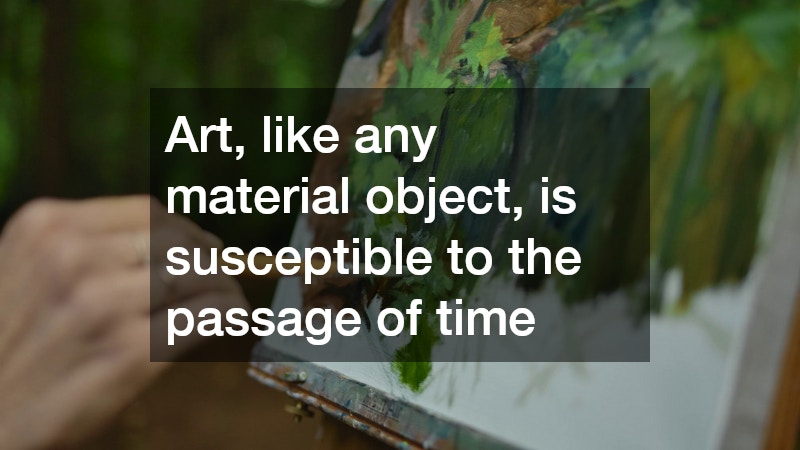
Art, like any material object, is susceptible to the passage of time. Factors such as exposure to sunlight, humidity, dust, and even improper handling can cause significant deterioration. Paintings may develop cracks, discoloration, or peeling, while sculptures and decorative pieces may suffer from chipping, fading, or corrosion. For collectors, galleries, or even individuals with sentimental pieces, these changes can be distressing. The good news is that art restoration is specifically designed to address these issues and restore artworks to a condition that closely mirrors their original state.
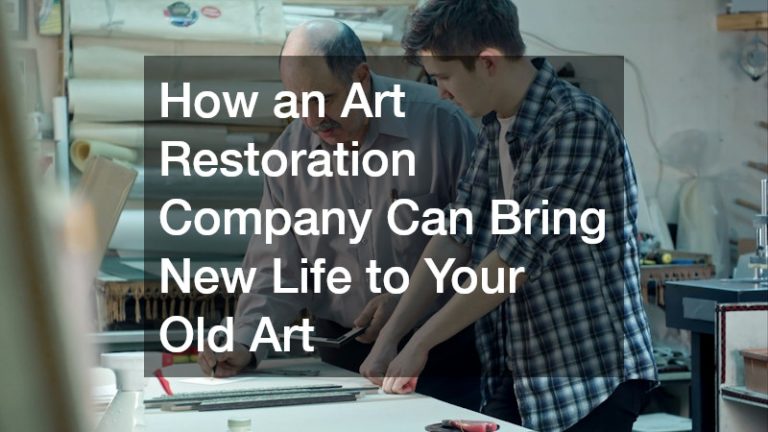
An art restoration company employs specialists who combine technical expertise with a deep appreciation for artistic integrity. They carefully assess the condition of each piece, identifying areas of damage, deterioration, or wear. Rather than simply covering up imperfections, they use precise techniques to preserve the original materials and craftsmanship. This thoughtful approach ensures that the artwork’s historical and aesthetic value remains intact, making restoration a valuable investment for any art owner.
Techniques Used in Art Restoration
Art restoration is a meticulous process that requires a range of specialized techniques. For paintings, conservators often begin by cleaning the surface to remove dirt, grime, and yellowed varnish. They may then address issues like flaking paint or tears in the canvas. Using tools such as fine brushes and conservation-grade paints, restorers can seamlessly repair damage, reviving the artwork’s original colors and details.
For sculptures and three-dimensional pieces, restoration may involve repairing cracks, stabilizing fragile materials, and carefully reconstructing missing parts. In some cases, chemical treatments are applied to prevent further deterioration of metals or other sensitive materials. Every decision made during the restoration process is guided by a principle of minimal intervention—doing just enough to preserve and restore the piece without compromising its authenticity.
Furthermore, advanced technology has become a valuable tool in modern art restoration. Infrared imaging, ultraviolet light, and X-ray analysis allow conservators to study a piece in ways that were previously impossible. These methods help identify underlying damage, previous restorations, and even hidden details, ensuring that the restoration process is precise and informed.
The Benefits of Professional Restoration
The advantages of working with a professional art restoration company extend beyond aesthetics. First and foremost, restoration can significantly extend the lifespan of an artwork. By stabilizing materials and repairing damage, conservators prevent further deterioration and protect the piece for future generations. This is especially important for historically significant works or family heirlooms with sentimental value.
Additionally, professionally restored art can increase in financial value. Collectors and galleries recognize the importance of condition in determining worth, and a well-executed restoration can preserve or even enhance an artwork’s market value. For individuals looking to sell or exhibit their pieces, this makes restoration a worthwhile consideration.
Beyond financial and practical benefits, art restoration can also provide an emotional reward. Watching a faded painting regain its original vibrancy or a damaged sculpture return to its former glory can be deeply satisfying. It allows people to reconnect with the emotions and stories embedded in their artworks, breathing new life into objects that may have felt lost to time.
Choosing the Right Art Restoration Company
Selecting the right art restoration company is a critical step in the process. Not all companies have the same level of expertise, and improper restoration can cause irreversible damage. When choosing a provider, look for experience, certifications, and a portfolio of successful projects. Many reputable companies offer consultations to assess your artwork and provide a clear restoration plan, including cost estimates and expected outcomes.
Communication is key. A skilled restoration team will explain the techniques they plan to use, the materials involved, and the timeline for completion. Transparency ensures that you understand the process and feel confident that your cherished artwork is in capable hands.
Time may leave its mark on your art, but it doesn’t have to mean the end of its life. Through the careful, skilled work of an art restoration company, your old paintings, sculptures, and decorative pieces can regain their former beauty and vitality. From cleaning and repairing damage to employing cutting-edge technology for detailed analysis, professional restoration safeguards both the aesthetic and historical value of your art.
Whether for sentimental reasons, investment purposes, or the sheer joy of seeing a treasured piece come alive again, art restoration offers a way to preserve and celebrate creativity across generations. By entrusting your artwork to professionals, you’re not only protecting a piece of history but also giving it the chance to shine anew, reminding us all of the enduring power and beauty of art.